


Showing 1-1 of 1 Results
-
Vendor:SeaKolors
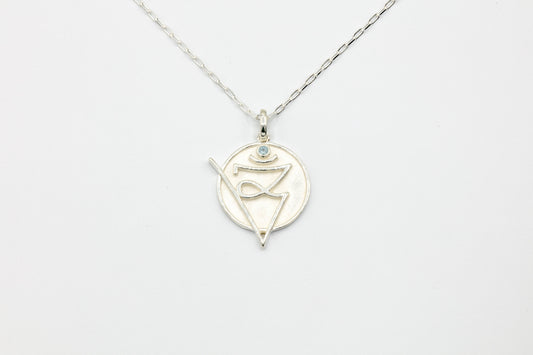
Atlantis Pendant With Topaz Semi Precious Stone with a Sterling 24” Rolo Chain
Regular price $160.00Sale price $160.00 Regular priceUnit price per


Understanding the Silver Behind the Name
Sterling silver is 92.5 percent silver, with other metals making up the rest. The 925 stamp records that mix and nothing else, not the design and not the origin. Plated jewelry is a thin silver layer over something cheaper. Looking silver does not tell you which one you have.
Read the material description alongside any photographs of markings. If a piece combines silver with other components, check how each part is described. This gives you a more useful basis for comparing purchases than shine alone.
A Closer Look at Handmade Sterling Silver Bali Jewelry
The word handmade only means something once you know what the maker did with their hands. Shaping metal, putting components together and finishing a surface are all handwork, and all quite different. A clear description explains which applies here.
Bali has an established silversmithing tradition, including the village of Celuk. That background is worth knowing. It does not establish where any single piece was made or how, and a collection name does not either.
Look for Specific Workmanship Details
When comparing pieces, look for an explanation of their construction. Was a chain woven by hand? Was an element carved before casting? Which parts were assembled or finished individually?
These details help you understand the work involved without relying on broad descriptions such as “artisan quality.”
Separate Individual Character From Condition
Small differences between handmade pieces may be part of the making process. Loose components or an unreliable fastening still deserve attention. Ask about anything that looks unclear rather than assuming every irregularity is an intentional feature.


Choose Bali Silver Jewelry for Women With Wearability in Mind
A piece can look right and still be awkward for the way you use your hands or get dressed. Consider its practical details before deciding.
| Detail to consider | What to find out |
|---|---|
| Fastening | Whether you can open and secure it comfortably |
| Links and joints | How freely the piece moves rather than holding a rigid shape |
| Raised decoration | Whether it could catch against clothing you wear regularly |
| Weight | Whether the listed weight suits your own comfort preferences |
A ring has to live with whatever your hands do all day. Earrings are a question of weight, judged after three hours rather than three seconds. And with a bracelet, the thing that catches people out is how easily it goes on. When the listing leaves that out, ask a direct question about the piece. You should not be guessing at comfort from a photo, and a piece that looks substantial is not always heavy.

Frequently asked questions
Yes. Tarnish can develop through exposure to substances in the environment, including sulfur compounds. It does not, by itself, mean the silver is fake. The rate varies with conditions, so avoid treating “sterling” as a promise that a piece will never change color.
Not automatically. Darkened recesses may be an intentional oxidized finish that gives the decoration contrast. Strong polishing can remove that effect. Confirm the intended finish and follow its specific instructions before trying to make every part equally bright.
Keep it dry and separate from other pieces to limit rubbing. An appropriate anti-tarnish pouch is a useful storage option. Avoid rubber bands in the storage area, since sulfur in rubber can contribute to tarnishing.
Sometimes, but it depends on the construction. Continuous patterns, stones or hollow sections may complicate an alteration. Have a jeweler assess the exact piece before purchasing it in the expectation that its size can be changed later.
Do not assume that a product suitable for silver is also suitable for its stones or other decorative materials. Follow instructions for the complete piece. If those instructions are unavailable, seek advice before using a dip, chemical cleaner or polishing treatment.